Pre-Wedding Shoot
Pre-wedding and engagement shoots
A planned shoot on a location that suits the two of you, not a template.
In short
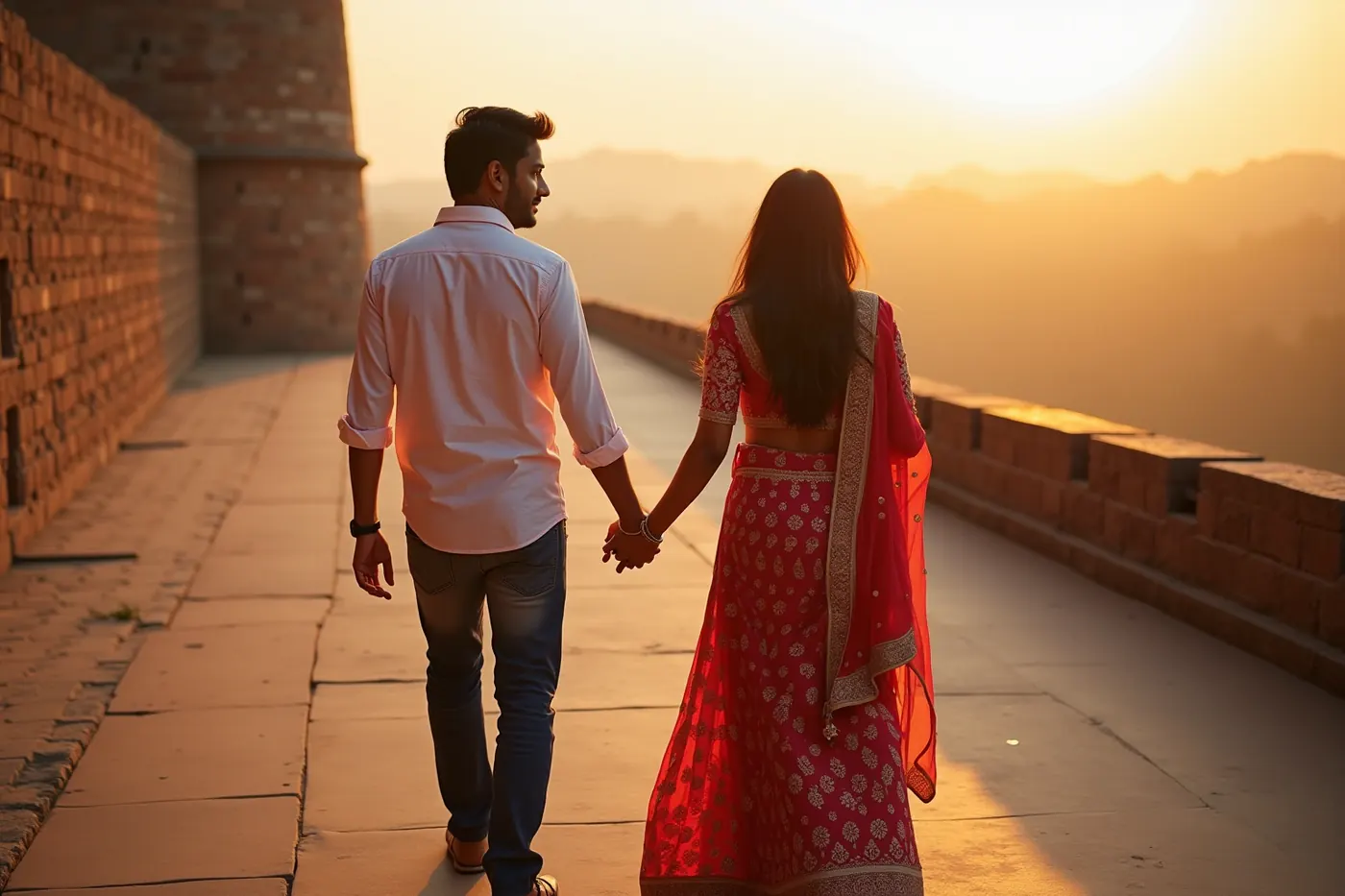
A pre-wedding shoot is a dedicated session photographed before the wedding, usually two to six months ahead, used for save-the-date cards, invitations and the reception screen. Flying Pixel Studio plans the location, the light and the wardrobe with the couple first, then shoots a half or full day and delivers edited images plus a short film.
A pre-wedding shoot is the one session before the wedding that you actually control. The date is yours, the location is chosen rather than inherited, and nobody is running a programme. This page covers when to do it, where, what it costs to organise properly, and what you get back.
What a pre-wedding shoot is, and what it is for
A pre-wedding shoot is a dedicated photography session with the couple, shot before the wedding, usually two to six months ahead. The images are used for save-the-date cards, wedding invitations, the reception screen and the entrance display, which is why the timing matters more than couples expect.
It is also the first time most couples are photographed together properly, and that is half the point. By the wedding day you are comfortable in front of a camera and you already know the photographer, so the wedding coverage is easier for everyone.
It is not an engagement ceremony and it is not a portfolio shoot for the photographer. It is a planned half or full day built around the two of you, and the plan is the part that makes it work.
Save the date
The images most couples actually need first, usually going out four to six months before the wedding.
Invitation and reception display
Printed and screen use, which is why resolution and crop are agreed before the shoot rather than after.
Getting comfortable
The practical benefit. Being photographed once before the wedding changes how the wedding coverage feels.
A record of before
The only photographs of the two of you from this period that are not surrounded by four hundred guests.
When to do a pre-wedding shoot
Two to six months before the wedding works for most couples. Earlier than six months and outfits, hair and sometimes the venue plan have not settled. Later than two months and the images arrive after the invitations have gone out, which defeats the main use.
Season matters more in India than the calendar gap. A shoot in late April in most of the country means shooting at dawn or not at all, because by nine in the morning the light is hard and the heat is unworkable for anyone in heavy clothing.
The best light is the hour after sunrise and the hour before sunset, and those are the only two slots worth building a shoot around. A full-day shoot uses both, with the middle of the day spent travelling, changing outfits and resting rather than shooting.
Two to six months ahead
Late enough that outfits are decided, early enough that the images arrive before invitations.
Golden hour twice
The hour after sunrise and the hour before sunset. Everything else is a compromise.
Avoid peak summer midday
In most of India, April to June daytime shooting is unworkable in wedding clothing.
Check the location calendar
Forts, palaces and public gardens have event days and closures that will not be on their website.
Choosing a location that actually works
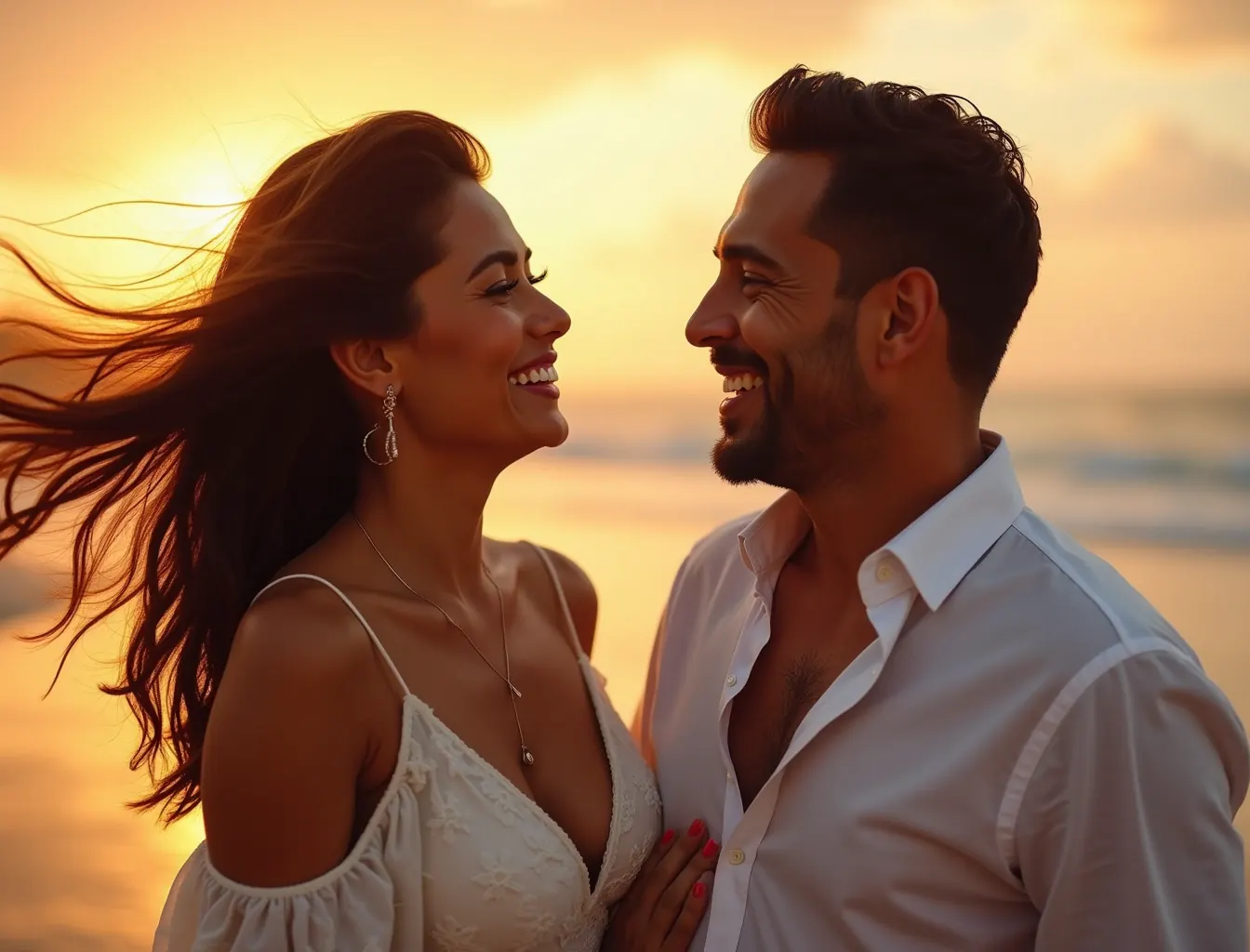
The best pre-wedding locations are the ones that suit the two of you rather than the ones that photograph well for somebody else. A couple who met at university and still live in the same city usually get better images from streets they know than from a fort four hundred kilometres away.
That said, some locations genuinely earn the travel. Udaipur, Jaisalmer, Goa, Munnar and the Rann of Kutch each give you something a city cannot, and if the wedding itself is in a hotel ballroom the contrast is worth having.
Practicalities decide more than aesthetics. Permission, entry fees, whether tripods and drones are allowed, how far the car park is from the frame, and whether there is anywhere to change. We check all of it before the day rather than discovering it on arrival.
Somewhere that means something
Places with a connection to you photograph better, because the reactions are real rather than performed.
Heritage and landscape
Udaipur, Jaisalmer, Munnar, Goa and the Rann each give a look a city street cannot.
Permission and fees
Most heritage sites charge for commercial shoots and some ban tripods and drones outright.
Changing and access
Outfit changes need somewhere to change, and heavy clothing plus a long walk from the car is a bad plan.
A weather fallback
One indoor or covered alternative agreed in advance, so rain is an adjustment rather than a cancellation.
How the day is planned and shot
We start with a call about the two of you rather than about locations. How you met, what you are like together, whether you want images that look cinematic or images that look like you. The location list comes out of that conversation, not before it.
A half day is one location and one or two outfits, shot in a single golden hour. A full day is two or three locations across sunrise and sunset with two to four outfit changes, and the middle of the day used for travel and rest.
On the day almost nothing is posed in the traditional sense. You are given something to do rather than a pose to hold, because a couple walking and talking looks like a couple, and a couple holding a position looks like two people holding a position.
Planning call
About you first, locations second. The shoot is built backwards from what you actually want it to feel like.
Half day
One location, one or two outfits, a single golden hour. Suits couples who want images without a production.
Full day
Two or three locations across sunrise and sunset, two to four outfits, with rest built into the middle.
Direction, not posing
You are given something to do rather than a position to hold, which is what makes the images look unforced.
A short film
Shot alongside the stills where you want one, cut to under two minutes for the reception screen.
What drives the cost of a pre-wedding shoot
Four things move the number: how long you shoot, where, how many people are in the crew, and what you want back. Location is usually the largest, because travel, permission fees and accommodation add up faster than shooting time.
A half day in your own city with one photographer is the smallest version of this and it is a genuinely good option. A full day across two heritage locations in another state with a photographer, a cinematographer and an assistant is a different order of production entirely.
Permission fees at heritage sites are paid to the site and vary by location and by whether a drone or tripod is involved. We quote them separately and pass them through at cost rather than folding them into a package where you cannot see them.
Half day or full day
The base decision. A half day is one golden hour and one location.
Location and travel
Usually the biggest single factor once you leave your own city.
Permission fees
Charged by heritage sites and passed through at cost, itemised so you can see them.
Crew
Photographer alone, or photographer plus cinematographer plus assistant for a full production.
Deliverables
Edited images alone, or images plus a short film, plus any printed pieces.
What you get back and when
A pre-wedding shoot delivers a smaller and more finished set than a wedding. Expect sixty to a hundred and twenty edited images from a half day and up to two hundred from a full day, individually corrected rather than batch processed.
Turnaround is two to three weeks by default, and we compress it when the invitation deadline requires it. Tell us the print date at booking and the delivery date is set against it rather than against our normal queue.
A save-the-date crop set is included: the same images cropped square and vertical so they work on an invitation, a screen and a phone without you having to crop them yourself and lose the framing.
Edited images
Sixty to a hundred and twenty from a half day, up to two hundred from a full day, individually corrected.
Save-the-date crops
Square and vertical versions of the key frames so they drop straight into an invitation or a story.
Short film
Where booked, cut to under two minutes for the reception screen, plus a shorter social edit.
Print-ready files
High resolution at the sizes your printer asks for, so the invitation does not come back soft.
What to bring, and the mistakes worth avoiding
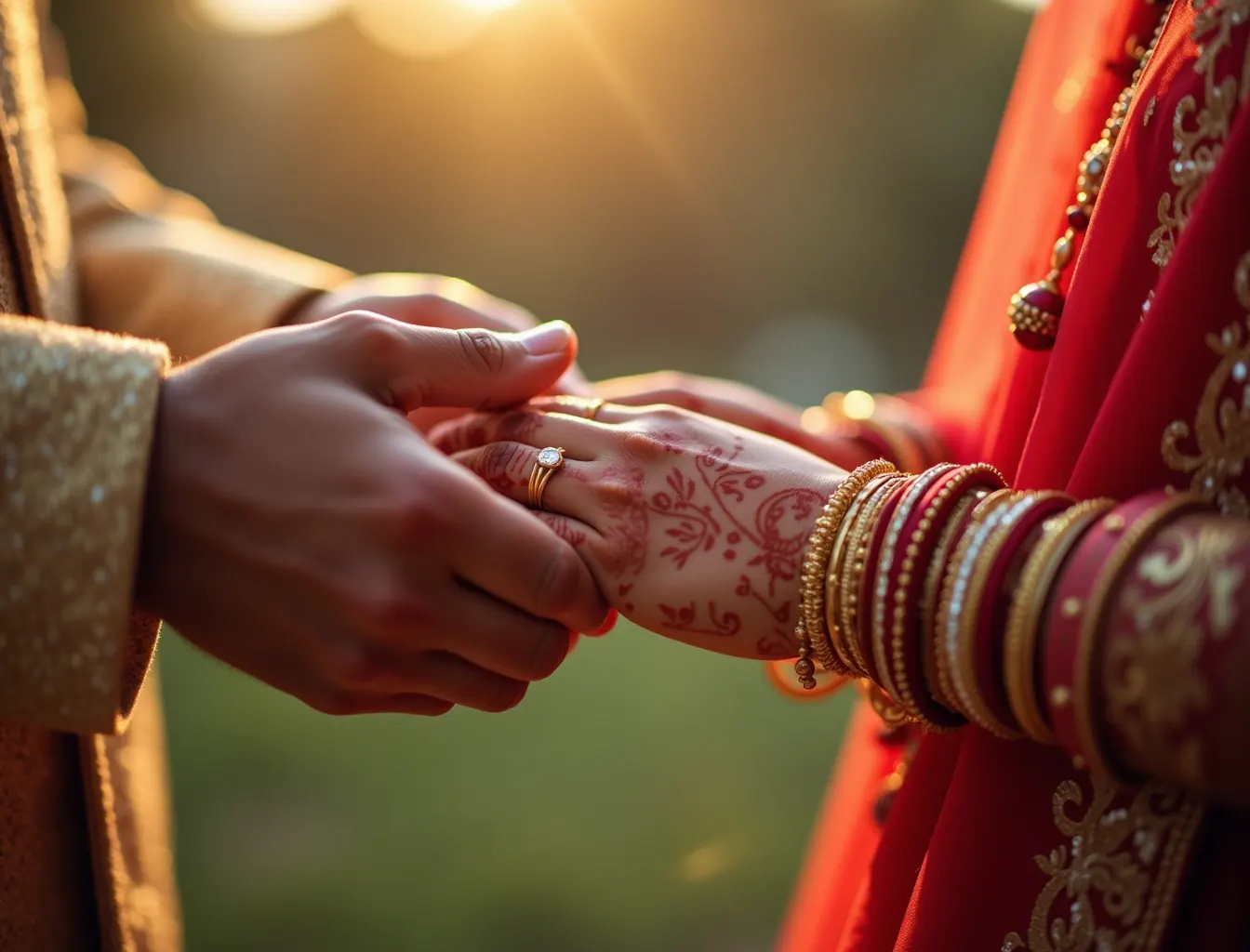
The couples who get the most out of a pre-wedding shoot are the ones who treat it as a day out rather than a task. That sounds soft, but it shows in the images: a couple enjoying themselves photographs differently from a couple working through a shot list.
The practical failures are always the same four. Too many outfits, so the good light is spent changing. No food or water, so the second half of the day is flat. Shoes nobody can walk in, at a location that requires walking. And a reference folder of two hundred images from other people's shoots, which turns the day into an attempt to reproduce someone else's wedding.
Bring one or two references for the feel you want rather than the frames you want. Feel transfers between locations. Specific frames do not, because your light, your venue and your faces are not theirs.
Water, food and a break
A full day is ten hours in heavy clothing. Energy shows in the face by the second location.
Shoes you can actually walk in
Carry the formal pair and wear something sensible between frames. Nobody photographs the shoes anyway.
A small repair kit
Safety pins, tissue, a comb and blotting paper solve most of what goes wrong on the day.
One or two references, not fifty
Bring the feel you want. A large folder of other people's frames turns your shoot into a copy attempt.
Time buffer
Traffic, entry queues and outfit changes all run long. A day planned to the minute fails at the first delay.
Checking availability for your date?
Tell us the date, the city and which functions you want covered. We reply within one business day with availability and what a package for it looks like.
Half day or full day
Most couples are choosing between these two. The difference is not just hours, it is how many looks and locations the images can cover.
| Half day | Full day | |
|---|---|---|
| Shooting time | One golden hour, three to four hours on site | Sunrise and sunset, ten to twelve hours across the day |
| Locations | One | Two or three |
| Outfit changes | One or two | Two to four |
| Crew | Photographer, assistant where needed | Photographer, cinematographer, assistant |
| Edited images | Sixty to a hundred and twenty | Up to two hundred |
| Short film | Optional, shorter cut | Included where booked, fuller edit |
| Best for | Couples in their own city who want images without a production | Destination locations, or couples wanting variety of look |
Where we shoot
Flying Pixel Studio shoots across India and travels for destination weddings. Travel and accommodation for out-of-city work is quoted separately and agreed in writing before booking, so it never appears as a surprise line afterwards.
- Mumbai
- Delhi NCR
- Bengaluru
- Hyderabad
- Pune
- Ahmedabad
- Chennai
- Kolkata
- Jaipur
- Udaipur
- Goa
- Surat
Destination weddings shot in:
- Thailand
- Dubai
- United States
- United Kingdom
- Europe
- Australia
- Singapore
- Japan
FAQ
Pre-Wedding Shoot: questions couples actually ask
If your question is not here, ask it in the enquiry form and a surveyor will answer it.
What is a pre-wedding shoot?
A pre-wedding shoot is a dedicated photography session with the couple, shot before the wedding, usually two to six months ahead. The images are used for save-the-date cards, invitations, the reception screen and entrance displays. It is planned around the two of you rather than around a wedding programme, which is what makes it different from ceremony coverage.
Is a pre-wedding shoot necessary?
Not necessary, but it does two useful things. It gives you images for save-the-dates and invitations that would otherwise not exist, and it means you have been photographed together once before the wedding day. Couples who have done a pre-wedding shoot are noticeably more relaxed in front of the camera at the wedding itself.
Is a pre-wedding shoot worth it?
For most couples, yes, if the images are actually going to be used. If the invitations are already printed and there is no reception screen, the practical case is weaker and the money is often better spent on covering another wedding function. Decide what the images are for first, then decide the format.
When should I do my pre-wedding shoot?
Two to six months before the wedding. Earlier than six months and outfits and plans have usually not settled. Later than two months and the images arrive after invitations have gone out, which removes the main reason for doing it. If you have a print deadline, tell us at booking and we work backwards from it.
How much does a pre-wedding shoot cost?
Four things drive it: half day or full day, where you shoot, crew size, and what you want back. Location is usually the biggest once you leave your own city, because travel, permission fees and accommodation stack up. Send us the dates and the locations you are considering and you will have a real number within one business day.
How long does a pre-wedding shoot take?
A half day is three to four hours on site built around a single golden hour, with one or two outfits at one location. A full day runs across sunrise and sunset, ten to twelve hours in total, covering two or three locations and two to four outfit changes, with the middle of the day used for travel and rest.
Where are the best places in India for a pre-wedding shoot?
Udaipur, Jaisalmer, Goa, Munnar and the Rann of Kutch each give you something a city cannot. That said, the best location is often somewhere with a connection to you, because the reactions are genuine rather than performed. We suggest locations after a conversation about the two of you, not before it.
Do we need permission to shoot at heritage sites?
Usually yes, and often a fee. Most forts, palaces and public gardens charge for commercial photography, and several ban tripods and drones outright regardless of what you pay. We check the rules and secure permission before the day, and pass the site fee through at cost rather than hiding it in a package.
How many outfits should we plan?
One or two for a half day, two to four for a full day. More than four rarely helps, because changing eats the good light and the later changes end up shot in worse conditions than the earlier ones. Plan the strongest outfit for the best light rather than saving it for last.
How many photos do we get from a pre-wedding shoot?
Sixty to a hundred and twenty edited images from a half day, and up to two hundred from a full day. These are individually corrected rather than batch processed, which is why the number is lower than a wedding day and the finish is higher. A save-the-date crop set is included alongside them.
How long until we get the images?
Two to three weeks by default. If you have an invitation print deadline, tell us at booking and delivery is scheduled against that date instead of our normal queue. A compressed turnaround is possible and is agreed in writing rather than promised informally.
Can we do a pre-wedding film as well as photographs?
Yes, shot alongside the stills by a separate cinematographer. It is usually cut to under two minutes for the reception screen, with a shorter vertical edit for sharing. Booking both together costs less than booking them separately, because the location, travel and permissions are shared across one production.
What should we wear?
Bring one outfit you feel genuinely comfortable in and one you feel dressed up in. Solid colours photograph better than busy prints against detailed backgrounds like forts and markets. Avoid anything that needs constant adjustment, because it shows in the images as a couple fidgeting rather than a couple relaxed.
What if it rains on the day?
One covered or indoor fallback is agreed in advance for exactly this, so a wet morning is an adjustment rather than a cancellation. If the whole day is unusable and the location was the point, we reschedule to the next workable date at no additional shooting fee, though travel already incurred is not recoverable.
Can our families come to the shoot?
They can, and it is worth thinking about whether you want them there. A small group is fine and sometimes helps you relax. A large group changes the shoot, because you end up performing for an audience rather than being with each other, and it shows in the images.
Do you travel for destination pre-wedding shoots?
Yes, across India and internationally. Travel and accommodation are quoted separately and agreed before booking. For international shoots we also check visa timelines and local permission requirements early, because those take longer to arrange than the shoot itself and are the usual reason a date slips.
Can we get a pre-wedding shoot done in one day in another city?
It is possible and it is tight. A single-day trip means arriving the night before, shooting sunrise and sunset, and travelling back the following morning. It works, but it removes every buffer, so a weather problem or a delayed flight costs you the whole shoot rather than an hour of it.
Do you help with poses if we are awkward on camera?
Yes, and most couples are awkward at first, which is completely normal. You are given something to do rather than a pose to hold: walk, talk, react to each other. Within twenty minutes almost everyone forgets the camera is there, and the images from the second half of a shoot are usually the ones people choose.
Can we use the pre-wedding photographer for the wedding too?
Yes, and it is the most common arrangement. The advantage is real: by the wedding you already know each other, we already know your families, and the visual approach is consistent across everything. Booking both together is also usually more efficient than booking them as separate engagements.
Who owns the pre-wedding images?
You do. We ask separately for permission to show any of them publicly, and if you decline they are used nowhere, including in private portfolio shares. The high resolution files are yours to print, share and use however you want without asking us.
Other things we cover
- Wedding Photography Candid coverage and a cinematic film of the whole wedding, from one crew.
- Mehndi, Haldi & Sangeet Full coverage of the functions, not just the wedding day itself.
- Maternity & Newborn Calm sessions worked around the baby, at home or in the studio.
- Aerial & Drone Film Aerial footage flown by certified pilots, cut into the same film.