Corporate & Brand
Corporate event photography and brand film
Conference and launch coverage, with a same-day select set if you need it.
In short
Corporate coverage has a different deadline to a wedding: the images are usually needed while the event is still news. Flying Pixel Studio covers conferences, product launches, award nights and factory openings, can deliver a same-day select set for press and social, and produces the longer brand film afterwards to your guidelines.
Corporate coverage has a deadline a wedding does not: the images are usually needed while the event is still news. This page covers same-day delivery, what a conference actually needs photographed, and how brand film work is scoped.
Why corporate coverage runs on a different clock
A wedding gallery can arrive in three weeks and nothing is lost. A conference gallery that arrives in three weeks has missed the entire reason it was commissioned, because the press cycle, the social posting and the internal announcement have all already happened without it.
That single difference drives everything about how corporate work is staffed. It is why we offer same-day select delivery, why an editor sometimes works on site during the event, and why the brief matters more here than anywhere else.
Knowing what the images are actually for changes what gets shot. Images for a press release are different from images for a recruitment page, which are different again from images for an internal deck. A photographer who has not been told will produce a general set that serves all three badly.
Same-day selects
A curated set delivered during or immediately after the event, for press and social.
On-site editing
For larger events, an editor working on site so images go out within the hour.
Brief before shot list
What the images are for determines what gets photographed, not the other way round.
Full set afterwards
The complete edited gallery follows on the agreed date once the urgent set has gone out.
Conference and summit photography
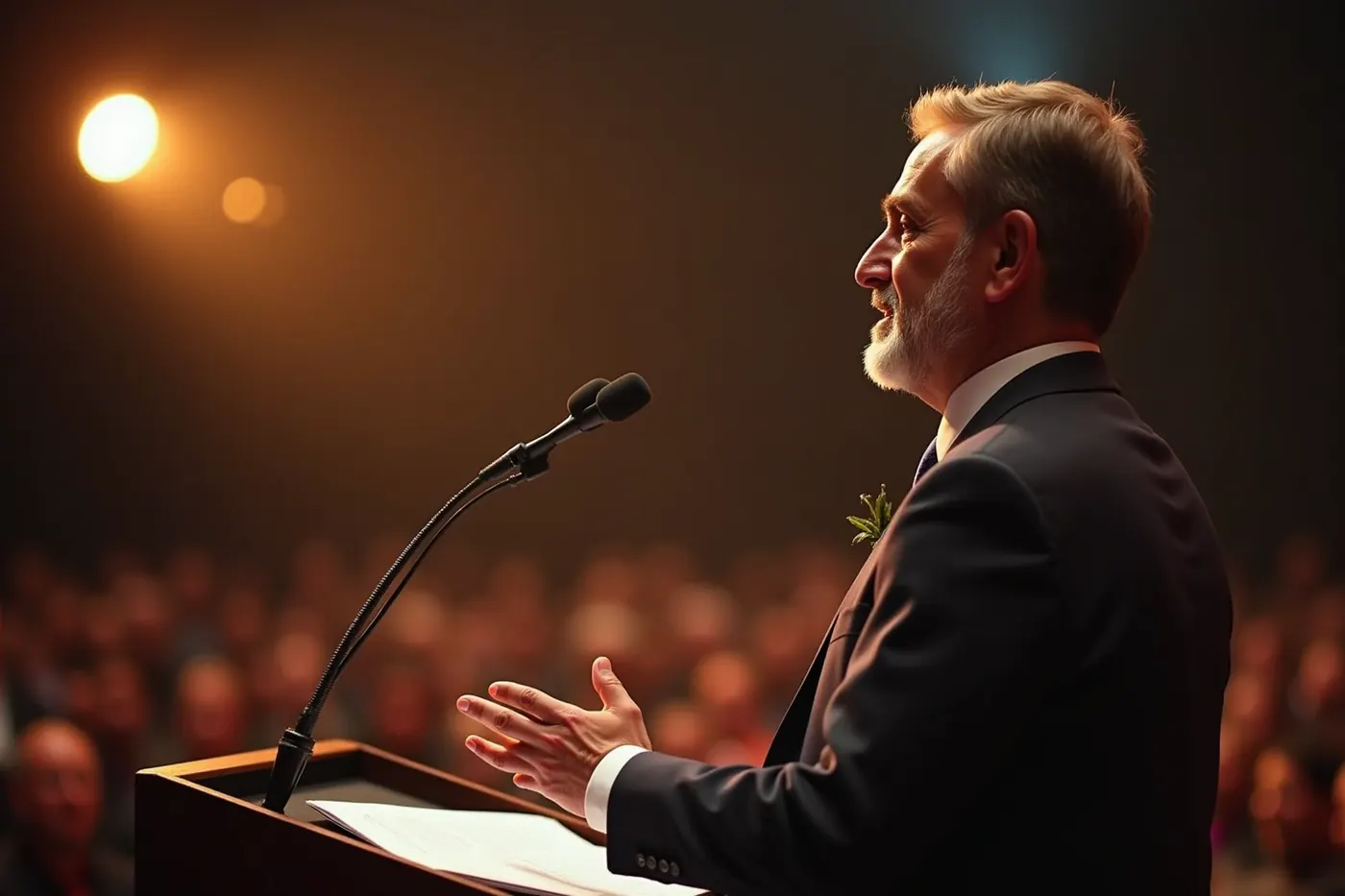
A conference needs four categories covered, and most briefs only mention the first. Speakers on stage, the audience and atmosphere, networking and conversation, and the branding and set as it was designed.
The branding category is the one clients notice missing afterwards. Sponsors and marketing teams need clean images of the stage set, the banners, the signage and the branded spaces, ideally shot before doors open when they are undamaged and unobstructed.
Speaker coverage should include more than the person at the lectern. Reaction shots from the audience, the panel interacting rather than sitting in a row, and the questions from the floor are what make a conference look attended rather than delivered to an empty room.
Speakers and panels
Interacting rather than static, from more than one position.
Audience and atmosphere
Reactions, a full room, and questions from the floor. This is what makes an event look attended.
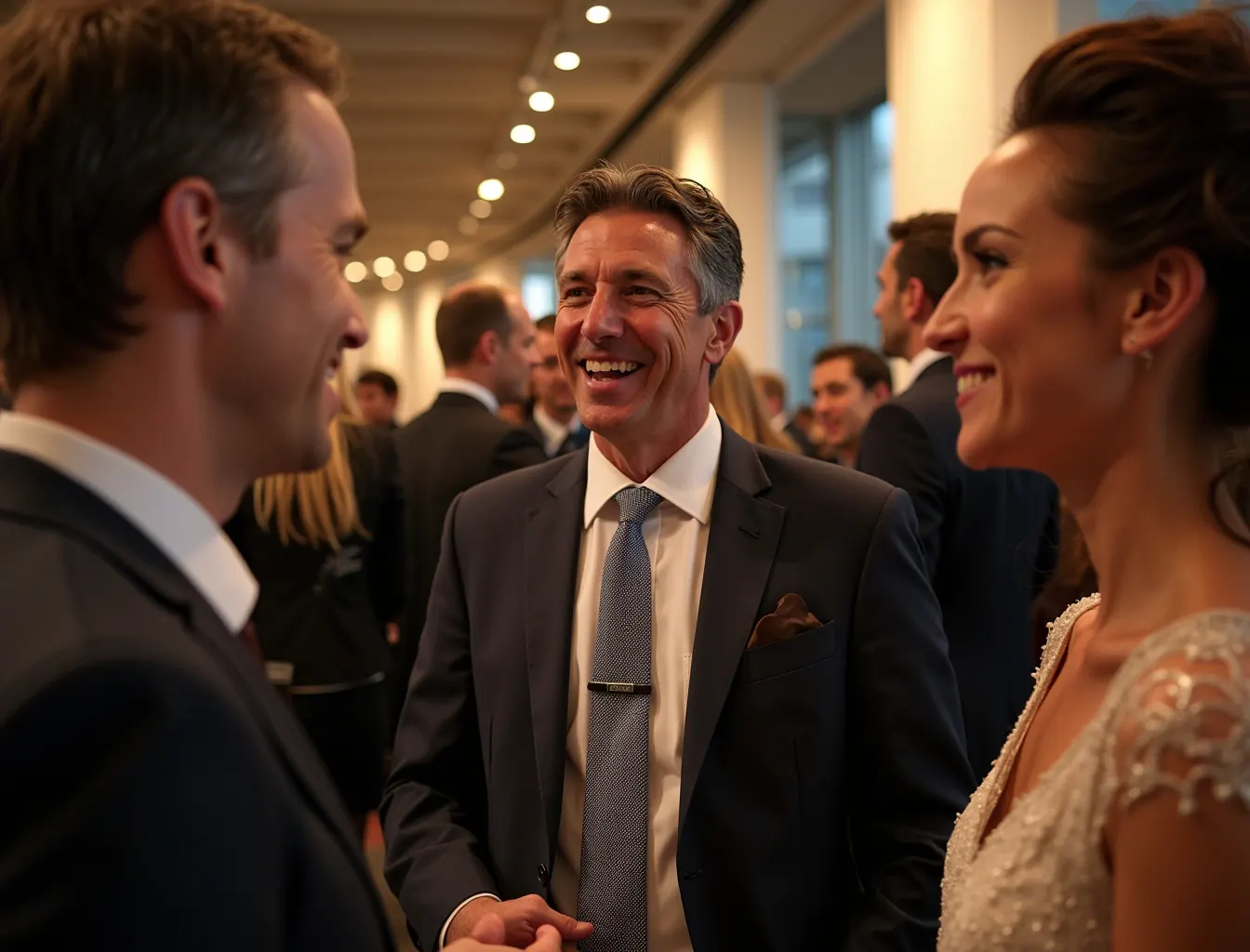
Networking
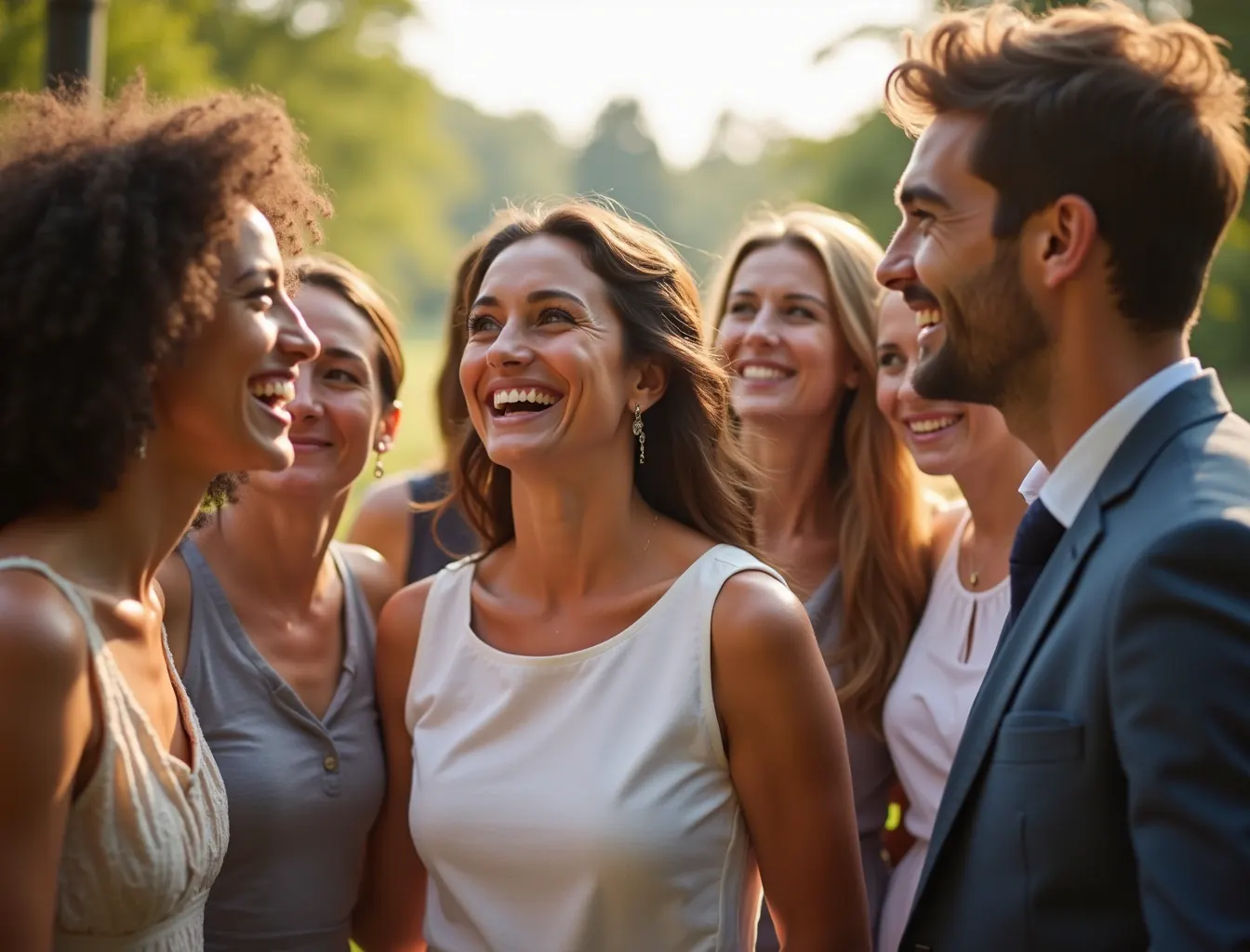
Genuine conversation rather than posed handshakes, which never look real.
Branding and set
Shot clean before doors open, while it is undamaged and unobstructed.
Named individuals
A list of executives, speakers and guests who must be photographed properly.
Product launches and brand activations
A launch has one job photographically: make the product look like the reason everyone is there. That means proper product coverage shot separately from the event, usually in a quiet window before or after, with control over background and light.
Trying to photograph a product well in the middle of a live event does not work. The lighting is designed for the room, people walk through frame, and the result is a snapshot of an object rather than an image anyone can use in a campaign.
The event coverage then runs alongside: arrivals, the reveal, reactions, executives and press interactions. Both sets matter, but they are shot differently and one should not compromise the other.
Product shot separately
In a controlled window with control over light and background.
The reveal
Covered from at least two positions, because it happens once and is usually brief.
Reactions
Audience and press response, which is what tells the story of how a launch landed.
Executives and press
Interviews, interactions and the named list, shot properly rather than in passing.
Corporate video and brand film
Brand film is scoped by what it has to do rather than by length. A recruitment film, an event recap and a product explainer are three different productions, and asking for a corporate video without naming which one is how projects go wrong.
An event recap is the most common and the most straightforward: shot during the event, cut to two or three minutes, delivered within a week or two. It reuses the same crew presence as the photography, which makes it efficient to book together.
Anything with interviews, scripted narration or shooting across multiple days is a production with pre-production attached. That means a treatment, a shot list, scheduling with the people appearing, and a review cycle, none of which can be compressed into the event week itself.
Event recap
Shot during the event, cut to two or three minutes, delivered within a week or two.
Recruitment and culture film
Interviews and workplace footage, usually shot across more than one day.
Product explainer
Scripted, storyboarded, often with graphics. A production rather than coverage.
Aerial where it helps
Facility, campus and site footage, flown by certified pilots with permission arranged.
Delivered to your guidelines
Colour, typography and logo use to your brand guidelines rather than ours.
Same-day delivery and how it works
A same-day select set is twenty to fifty images, culled and corrected during the event, delivered while it is still running or within a couple of hours of it ending. That is enough for a press release, a social post and an internal announcement.
It works because the selection criteria are agreed beforehand. We know which executives matter, what the release is about, and whether the priority is the stage, the room or the product. Without that, same-day delivery becomes a guess made under time pressure.
The full edited gallery follows on the agreed date. The same-day set is a subset chosen for immediate use rather than a rushed version of the whole job, and nothing is dropped from the full delivery because of it.
Twenty to fifty images
Enough for a release, a social post and an internal announcement.
Criteria agreed beforehand
Who matters, what the story is, what the priority is. Without this it is guesswork.
Delivered within hours
During the event or shortly after it ends, not the next morning.
Full gallery unaffected
The complete set follows on the agreed date. Nothing is dropped.
Working with your brand and compliance requirements
Corporate work usually arrives with constraints that consumer work does not: brand guidelines, image approval chains, consent requirements for identifiable staff, and sometimes restrictions on what may appear in the background.
We ask for all of it at briefing rather than discovering it at delivery. Brand guidelines change how images are graded and cropped. Consent requirements change how we shoot, because a photographer who knows some staff have opted out shoots around them rather than removing them later.
Confidential environments are common in factory, laboratory and development settings. Where areas or equipment cannot be photographed, that list is agreed in advance and the crew is briefed on it, rather than relying on someone spotting a problem in the edit.
Brand guidelines up front
Colour, crop and treatment set to your standards rather than corrected afterwards.
Consent handled at shoot time
Staff who have opted out are shot around rather than removed in editing.
Restricted areas listed
Agreed before the shoot and briefed to the whole crew.
Approval chain named
Who signs off, and by when, agreed before delivery rather than after.
Usage rights in writing
What you can use the images for, where and for how long, stated in the agreement.
What you receive and how it is delivered
Three to six hundred edited images for a full-day event, delivered as high-resolution files plus a web-optimised set sized for your site and social channels. Delivering only high-resolution files means somebody in your team spends an afternoon resizing them.
Files are named and organised rather than dumped as a numbered sequence. Sessions, speakers and segments are separated, because a marketing team looking for the image of a specific speaker should not have to scroll through six hundred frames to find it.
Delivery is to whatever system you actually use. A download link works for most teams, but where you have a digital asset manager or a shared drive convention, we deliver into it rather than making you migrate the files yourself.
Three to six hundred images
For a full-day event, varying with programme length and number of sessions.
Two sizes, always
High resolution for print, web-optimised for site and social.
Named and organised
By session, speaker and segment rather than a single numbered sequence.
Delivered into your system
Your asset manager or shared drive convention, not just a download link.
Checking availability for your date?
Tell us the date, the city and which functions you want covered. We reply within one business day with availability and what a package for it looks like.
Which corporate coverage you actually need
These four cover most corporate briefs. Naming which one you are asking for is the fastest way to a quote that means something.
| Conference | Product launch | Event recap film | Brand film | |
|---|---|---|---|---|
| Primary output | Photographs across four categories | Product images plus event coverage | Two to three minute film | Scripted film, often multi-day |
| Same-day selects | Yes, commonly | Yes, usually essential | Teaser clip possible | No |
| Crew | One or two photographers | Photographer plus product setup | Cinematographer plus photographer | Full crew, pre-production |
| Lead time | Days | A week or more for product setup | Days | Weeks, with a treatment |
| Full delivery | Three to six hundred images | Product set plus event set | One to two weeks | Several weeks with review cycles |
| Needs a brief | What the images are for | What the product hero shot must show | The story arc | Objective, audience, message |
Where we shoot
Flying Pixel Studio shoots across India and travels for destination weddings. Travel and accommodation for out-of-city work is quoted separately and agreed in writing before booking, so it never appears as a surprise line afterwards.
- Mumbai
- Delhi NCR
- Bengaluru
- Hyderabad
- Pune
- Ahmedabad
- Chennai
- Kolkata
- Jaipur
- Udaipur
- Goa
- Surat
Destination weddings shot in:
- Thailand
- Dubai
- United States
- United Kingdom
- Europe
- Australia
- Singapore
- Japan
FAQ
Corporate & Brand: questions couples actually ask
If your question is not here, ask it in the enquiry form and a surveyor will answer it.
What does a corporate event photographer do?
Covers four categories at most events: speakers and panels, audience and atmosphere, networking and conversation, and the branding and set as designed. The last is the one most often missed and most noticed afterwards, because sponsors and marketing teams need clean images of the set before doors open.
Can you deliver photos on the same day?
Yes. A same-day select set of twenty to fifty images is culled and corrected during the event and delivered while it is still running or within a couple of hours of it ending. That is enough for a press release, a social post and an internal announcement while the event is still news.
How does same-day delivery actually work?
The selection criteria are agreed beforehand: which executives matter, what the release is about, whether the priority is the stage, the room or the product. For larger events an editor works on site. Without agreed criteria, same-day delivery becomes guesswork done under time pressure, which is how it goes wrong.
How much does corporate event photography cost?
It follows the length of the event, how many photographers are needed, whether same-day delivery is required, and whether film is included. A half-day single-photographer conference and a multi-day launch with product photography and a film crew are different orders of work. Send us the brief for a real figure.
How many photos do we get from a corporate event?
Three to six hundred edited images for a full-day event, varying with programme length and number of sessions. You receive both high-resolution files and a web-optimised set, because delivering only full-size files means somebody on your team spends an afternoon resizing them.
How are the files organised?
By session, speaker and segment rather than as one numbered sequence. A marketing team looking for a specific speaker should not have to scroll through six hundred frames. Where you use a digital asset manager or a shared drive convention, we deliver into it rather than making you migrate files.
Do you photograph the branding and stage set?
Yes, and ideally before doors open while it is undamaged and unobstructed. This is the category clients most often notice missing afterwards, because sponsors need clean images of banners, signage and branded spaces for their own reporting. Ask for it explicitly if it matters to your sponsors.
Can you shoot product photography at a launch?
Yes, and it is shot separately from the event in a controlled window. Photographing a product properly in the middle of a live event does not work: the lighting is built for the room and people walk through frame. A quiet window before or after gives you images usable in a campaign.
Do you produce corporate video as well?
Yes, and it is scoped by what the film has to do rather than by length. An event recap is shot during the event and cut to two or three minutes. Recruitment films, culture films and product explainers are productions with pre-production attached, which cannot be compressed into the event week.
What is the difference between an event recap and a brand film?
An event recap is coverage: shot during the event, cut to two or three minutes, delivered within a week or two, reusing the crew already present. A brand film involves a treatment, a shot list, scheduled interviews and a review cycle, usually across multiple days. They are different budgets and timelines.
Will you follow our brand guidelines?
Yes, if you send them at briefing rather than at delivery. Guidelines change how images are graded and cropped, and applying them afterwards means reworking a finished set. Send colour, typography and logo usage rules with the brief and the delivery arrives already correct.
How do you handle staff who do not want to be photographed?
Tell us at briefing and we shoot around them rather than removing them in editing. A photographer who knows in advance simply frames differently, which is reliable. Removing people afterwards is unreliable and sometimes impossible, and it is the wrong way to handle a consent decision.
Can you work in restricted or confidential areas?
Yes, with the restrictions agreed in advance and briefed to the whole crew. Factory, laboratory and development environments commonly have areas or equipment that cannot appear in images. That list belongs in the brief rather than relying on someone spotting a problem during the edit.
Who owns the images and what can we use them for?
Usage rights are stated in the agreement: what you can use the images for, where and for how long. For most corporate engagements this is broad commercial use. Agreeing it in writing before the shoot avoids the common situation where a marketing team wants to run an image and nobody is sure whether they can.
How far in advance should we book?
Days for a straightforward conference, longer for a launch with product photography, and weeks for a brand film that needs a treatment and scheduled interviews. Booking early matters most where a specific crew size is required, because large events need several people available on the same date.
Can you cover multi-day conferences?
Yes, and multi-day events benefit from continuity. By day two the crew knows the venue, the running order and who the important people are, which produces noticeably better coverage than a different photographer each day. Same-day selects can be delivered at the end of each day.
Do you shoot aerial footage of our facility or campus?
Yes, with DGCA-certified pilots and permissions arranged in advance. Facility, campus and site footage is genuinely useful for recruitment and corporate films because it establishes scale in a way ground footage cannot. Airspace and site permission are checked before it is promised.
What do you need in the brief?
What the images are for, who must be photographed by name, the running order with realistic timings, any brand guidelines, any consent or confidentiality restrictions, and who signs off on delivery. That takes one conversation and is the difference between a general set and a set that serves its purpose.
Can you photograph awards nights and gala dinners?
Yes. These need specific planning around the award presentations themselves, because each one is brief, repetitive and unrepeatable, and they are usually the images the organisation actually needs. We position for the handover and the reaction rather than shooting the stage from the back of the room.
Do you provide a photographer for regular ongoing work?
Yes, on a retained basis where you have recurring events, product launches or content needs. The advantage is consistency: the same crew learns your brand, your people and your standards, so briefs get shorter over time and the output stays coherent across a year rather than varying by engagement.
Other things we cover
- Wedding Photography Candid coverage and a cinematic film of the whole wedding, from one crew.
- Pre-Wedding Shoot A planned shoot on a location that suits the two of you, not a template.
- Mehndi, Haldi & Sangeet Full coverage of the functions, not just the wedding day itself.
- Maternity & Newborn Calm sessions worked around the baby, at home or in the studio.