Flying Pixel Studio
Wedding, ceremony and event photography across India
Candid coverage and cinematic film for weddings, the functions around them, and the celebrations that come after. One crew, from the mehndi to the drone show.
In short
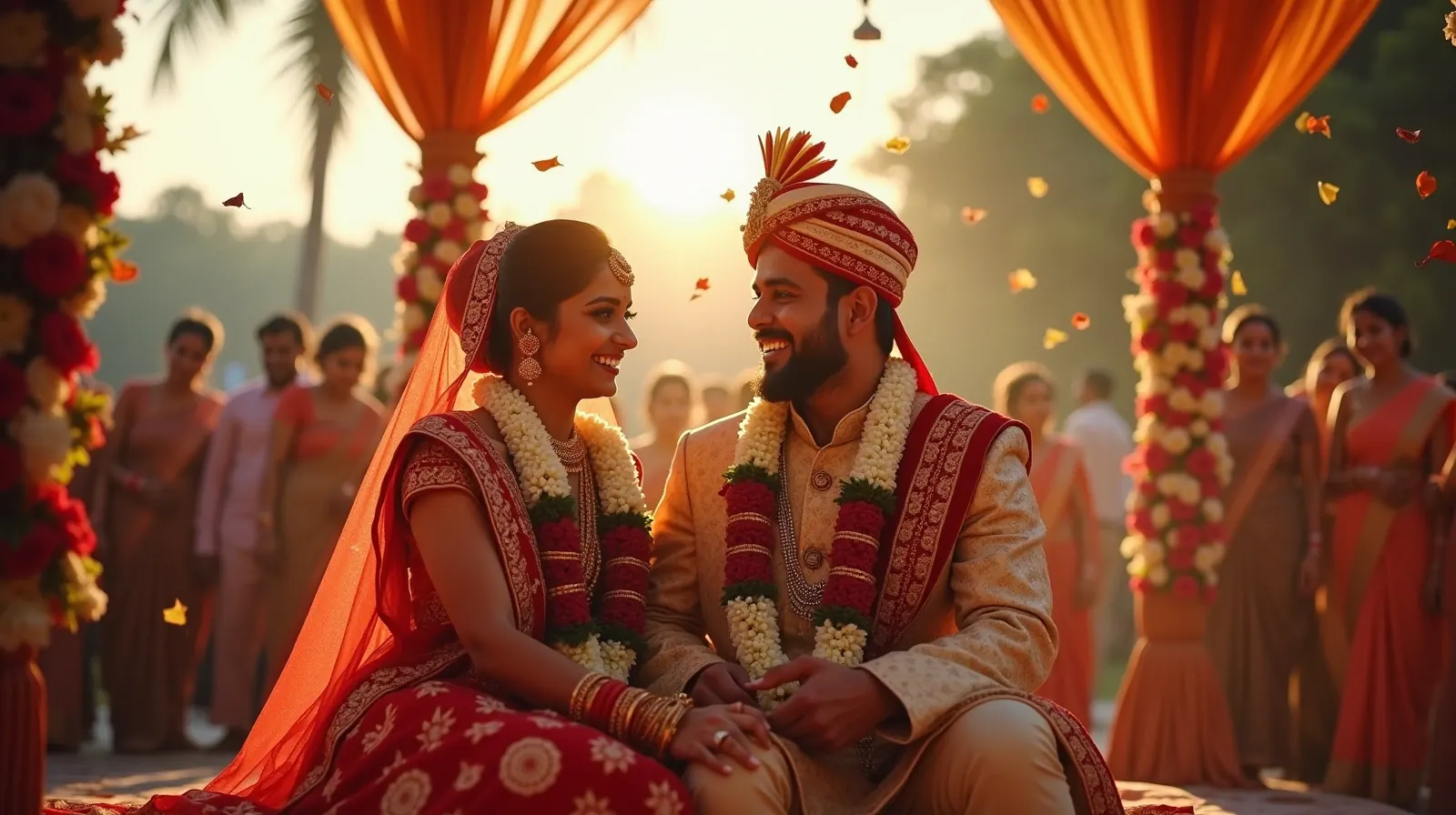
Flying Pixel Studio photographs and films weddings, ceremonies and events across India and abroad. Coverage runs from mehndi, haldi and sangeet through the wedding and reception, plus pre-wedding shoots, maternity and newborn sessions, birthdays and corporate events. Aerial footage and drone light shows are flown by DGCA-certified pilots from the same team, so nothing is subcontracted.
What we cover
Every function, quoted as its own day
Each function is a different problem with different staffing. A haldi is forty minutes of chaos, a sangeet is a stage performance under coloured light, and a mehndi is four unstructured hours. We price and staff them separately rather than treating them as filler around the wedding day.
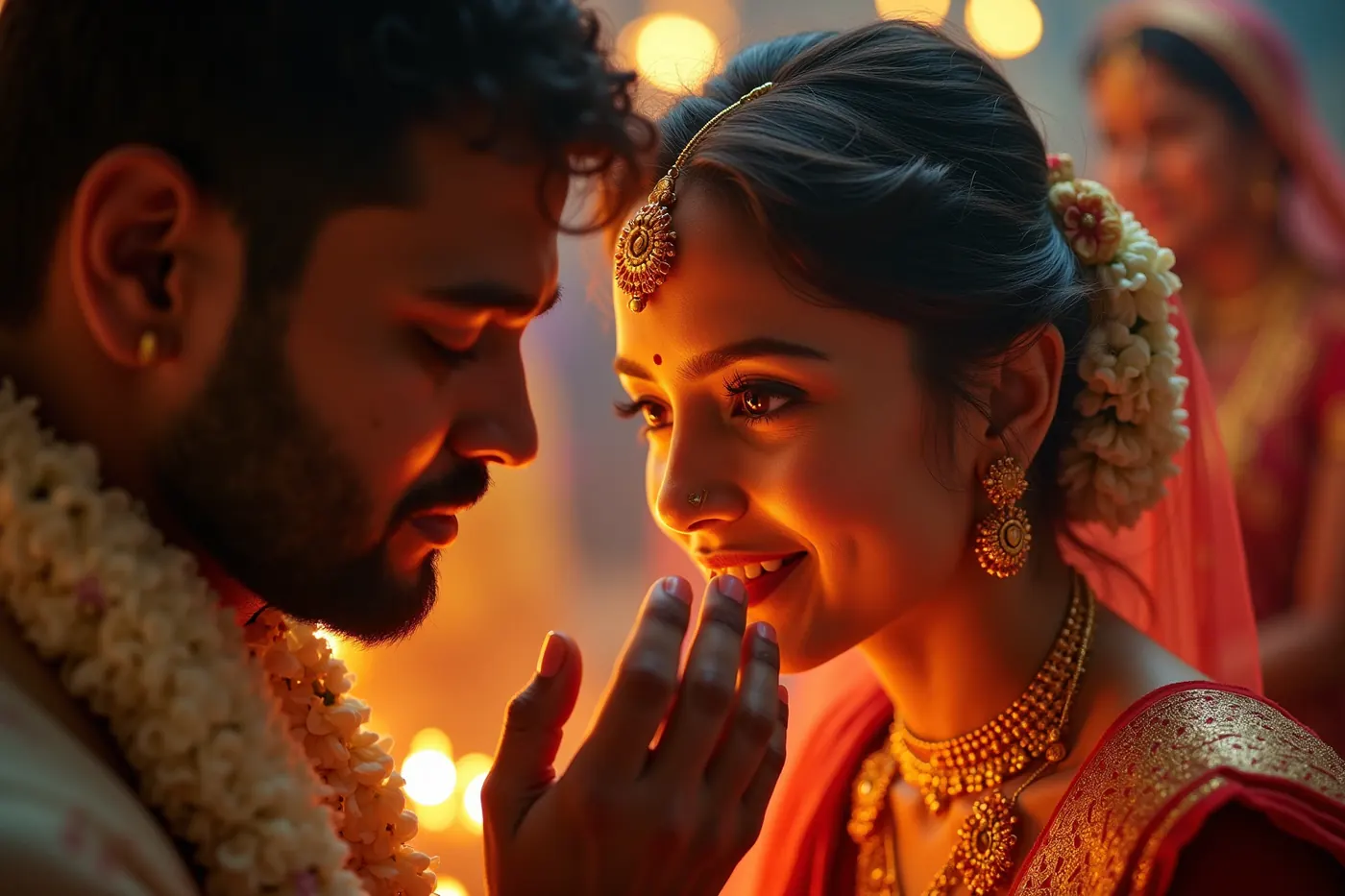
Wedding Photography
Candid coverage and a cinematic film of the whole wedding, from one crew.
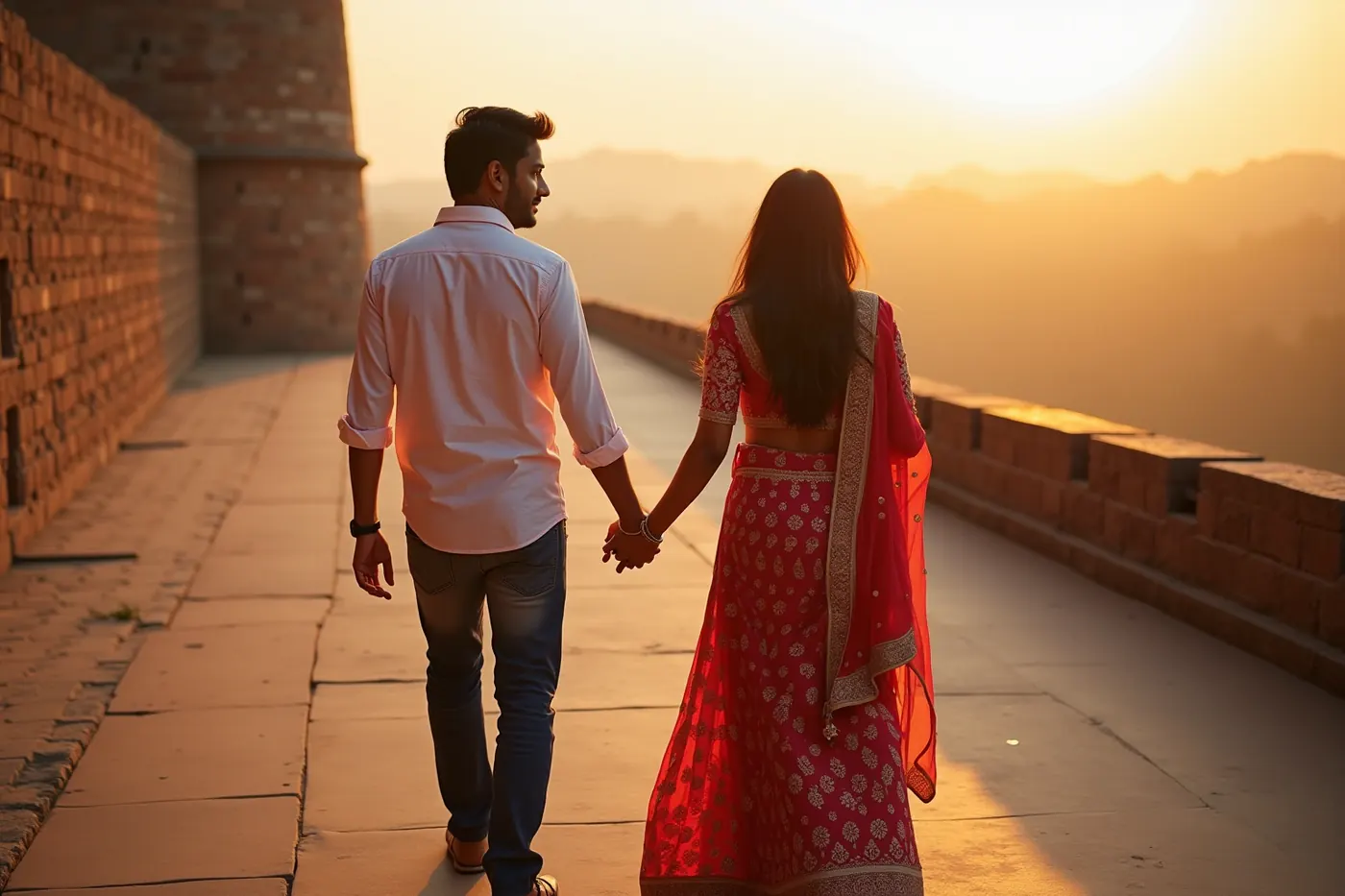
Pre-Wedding Shoot
A planned shoot on a location that suits the two of you, not a template.
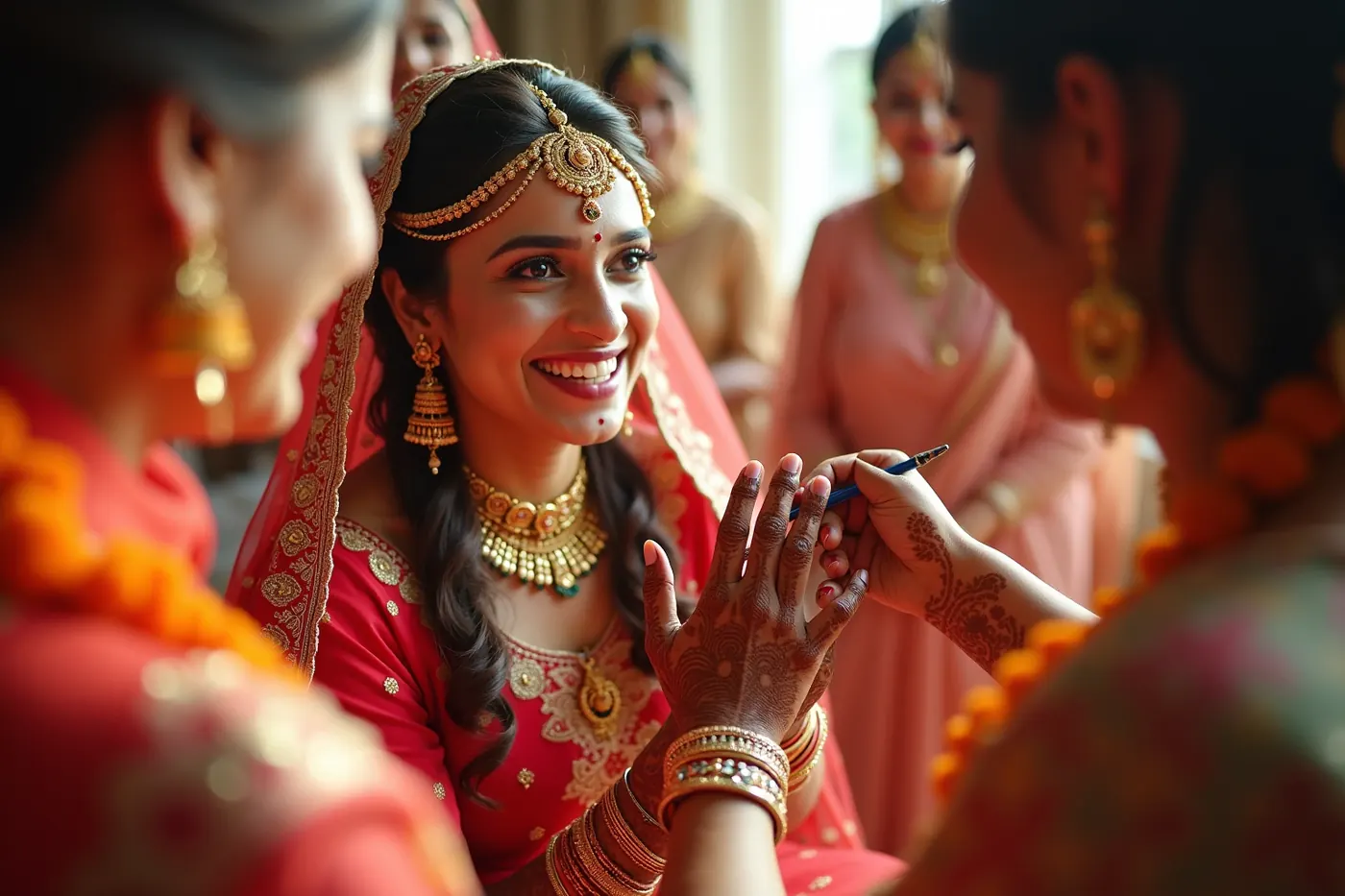
Mehndi, Haldi & Sangeet
Full coverage of the functions, not just the wedding day itself.
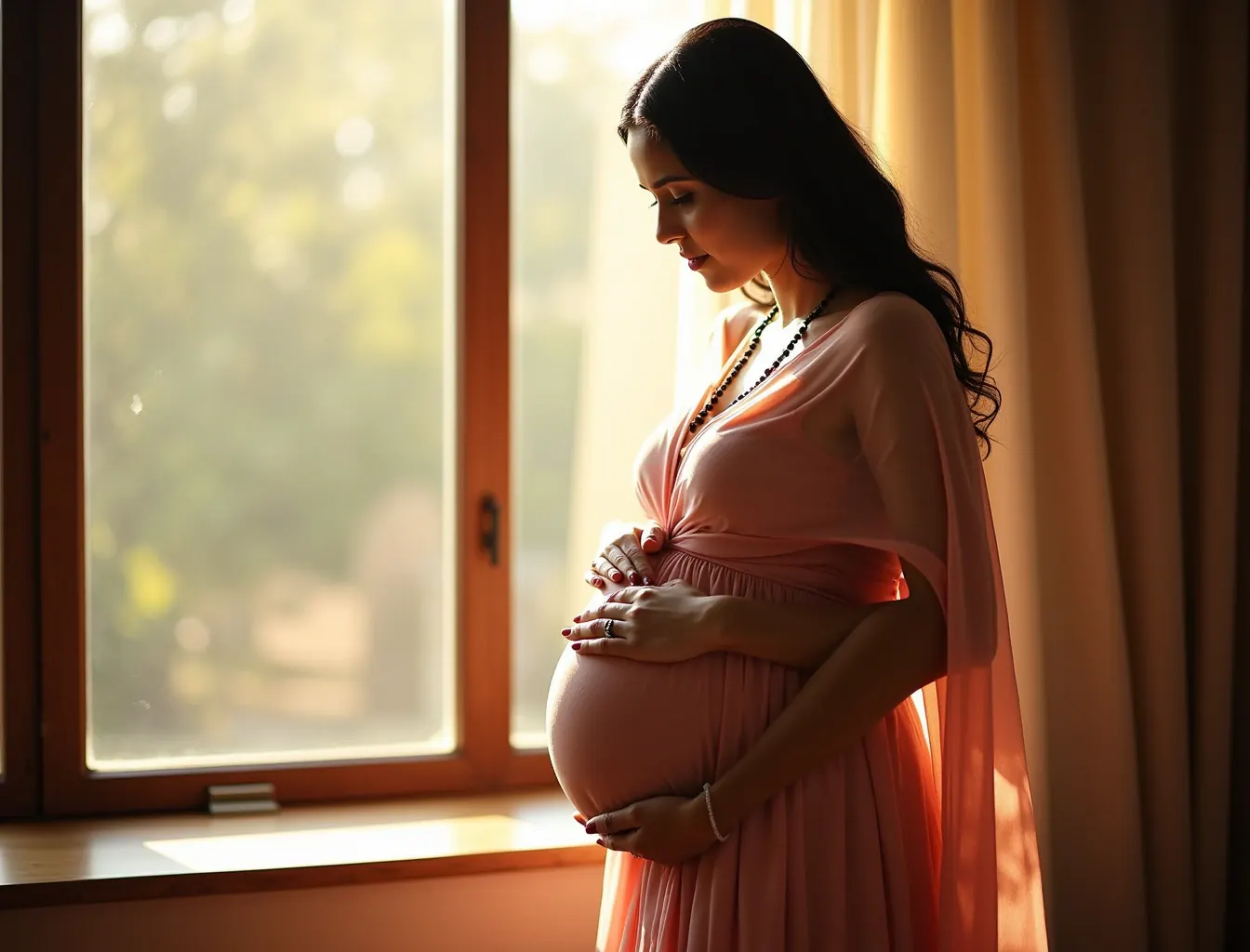
Maternity & Newborn
Calm sessions worked around the baby, at home or in the studio.
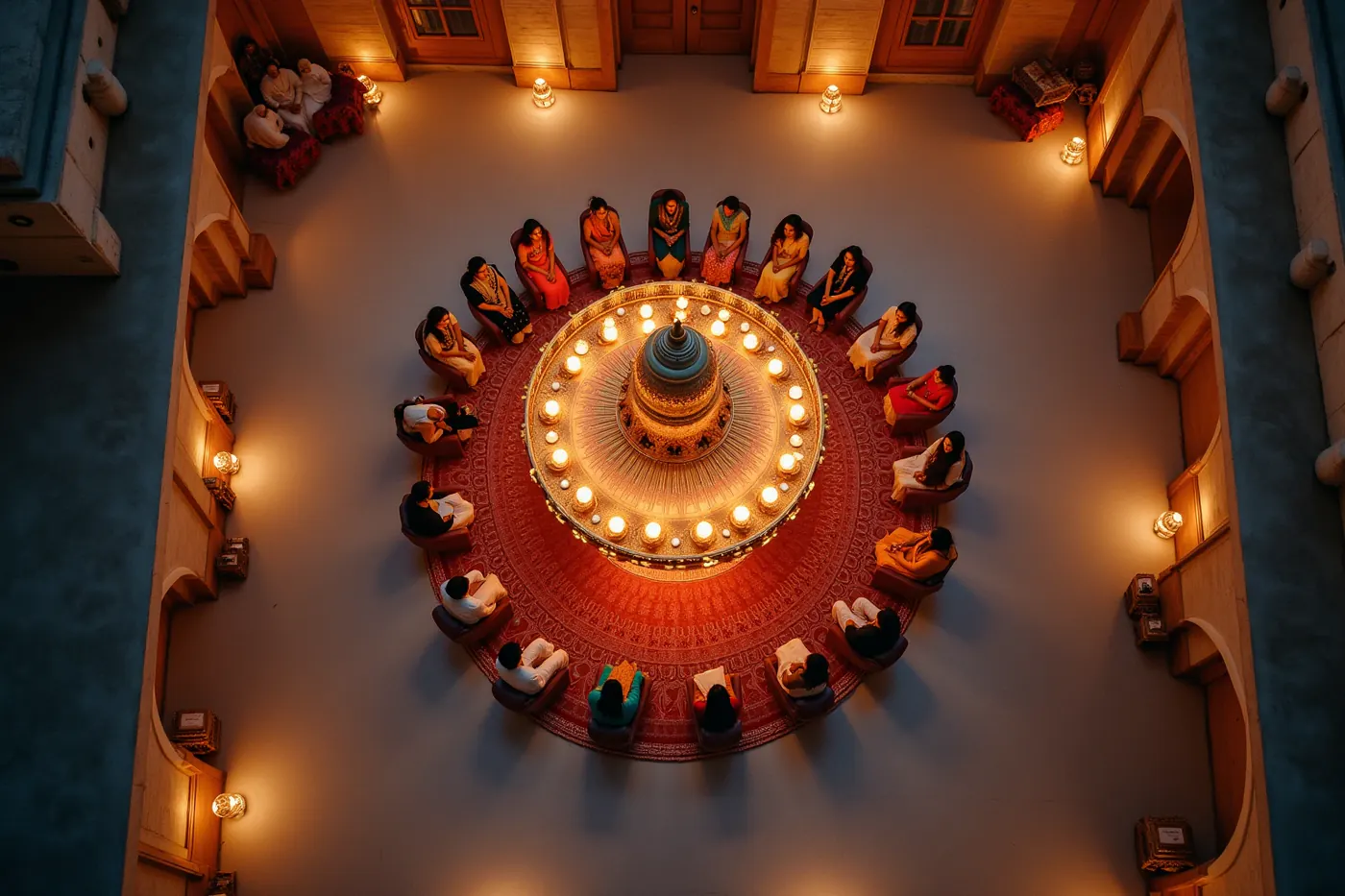
Aerial & Drone Film
Aerial footage flown by certified pilots, cut into the same film.
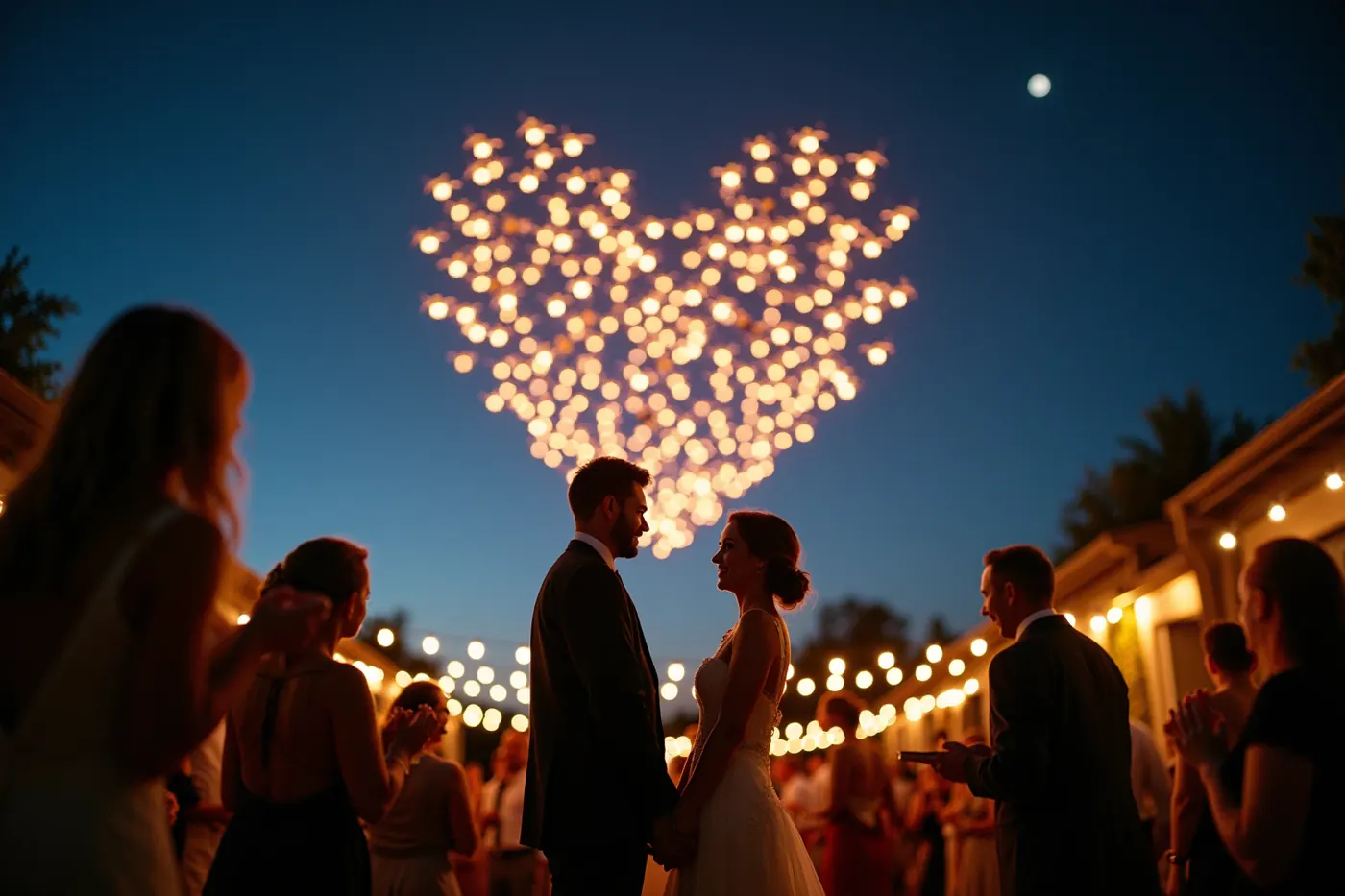
Drone Light Shows
A choreographed swarm display, with permissions and safety handled.
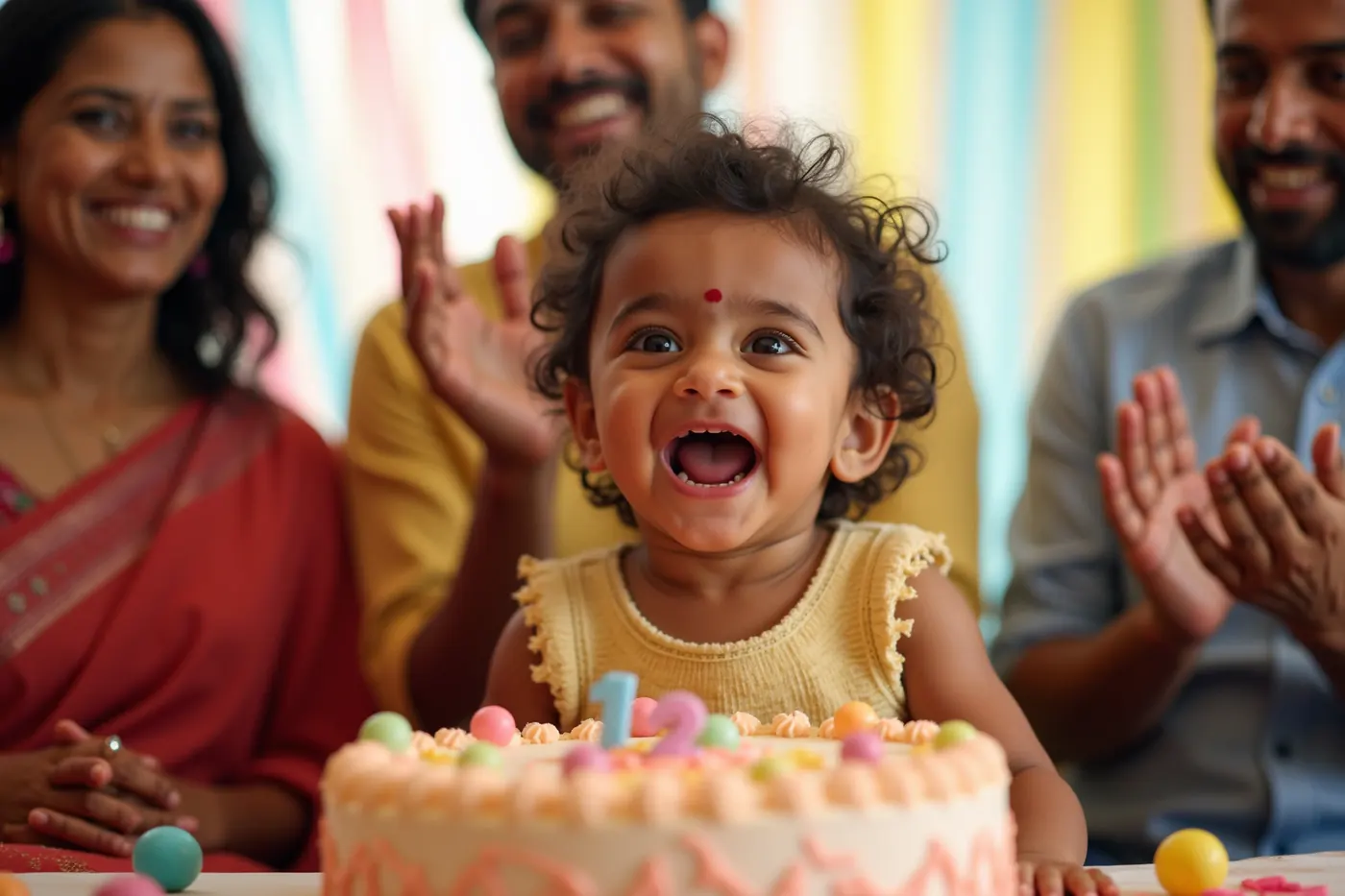
Birthdays & Anniversaries
Candid coverage of the whole party, not just the cake cutting.
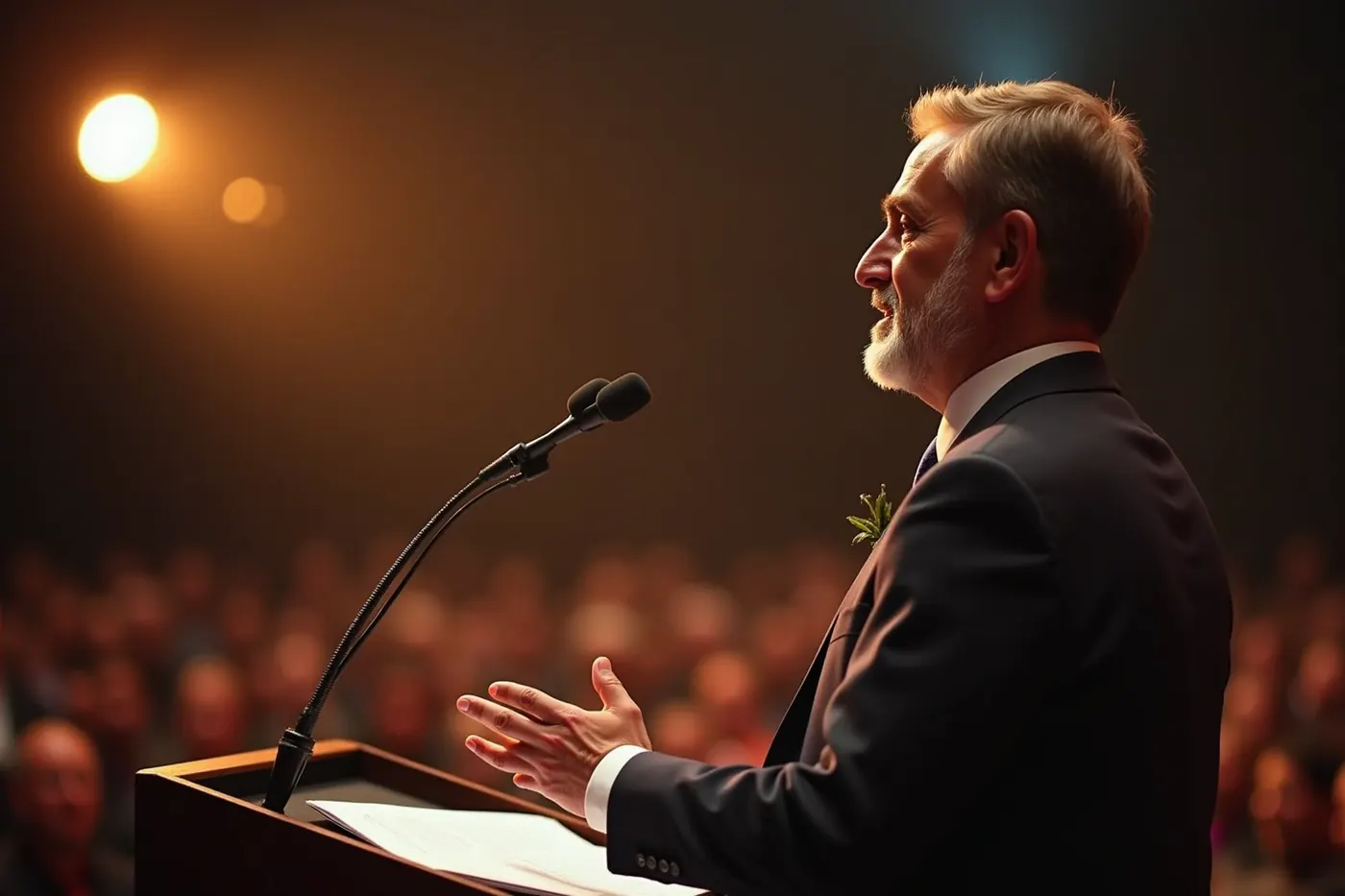
Corporate & Brand
Conference and launch coverage, with a same-day select set if you need it.
How it looks
Candid, not directed
Almost nothing on our shoots is posed. People are given something to do rather than a position to hold, because a couple walking and talking looks like a couple, and a couple holding a pose looks like two people holding a pose.
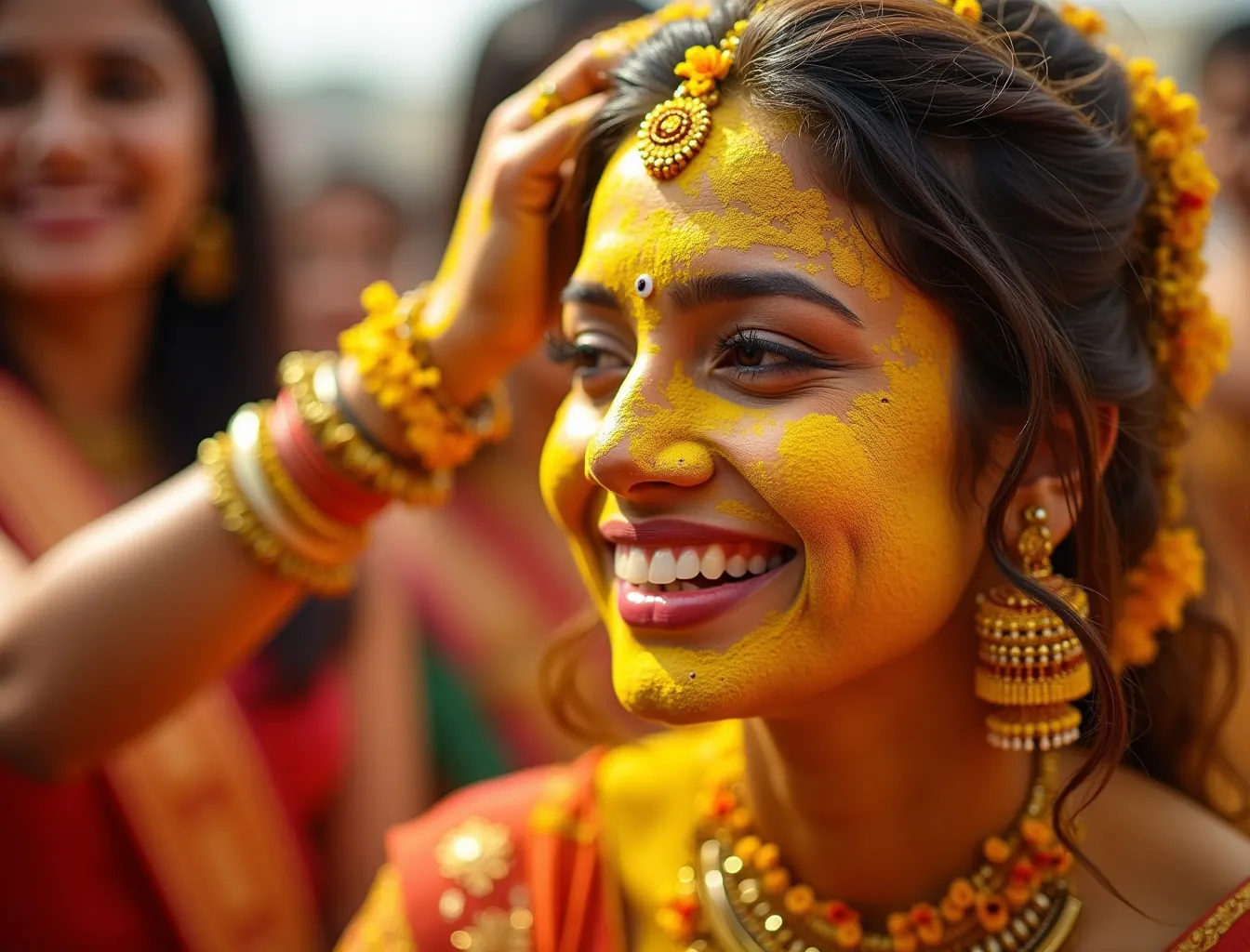
Haldi. Forty minutes, two photographers, and almost every good frame is a reaction. 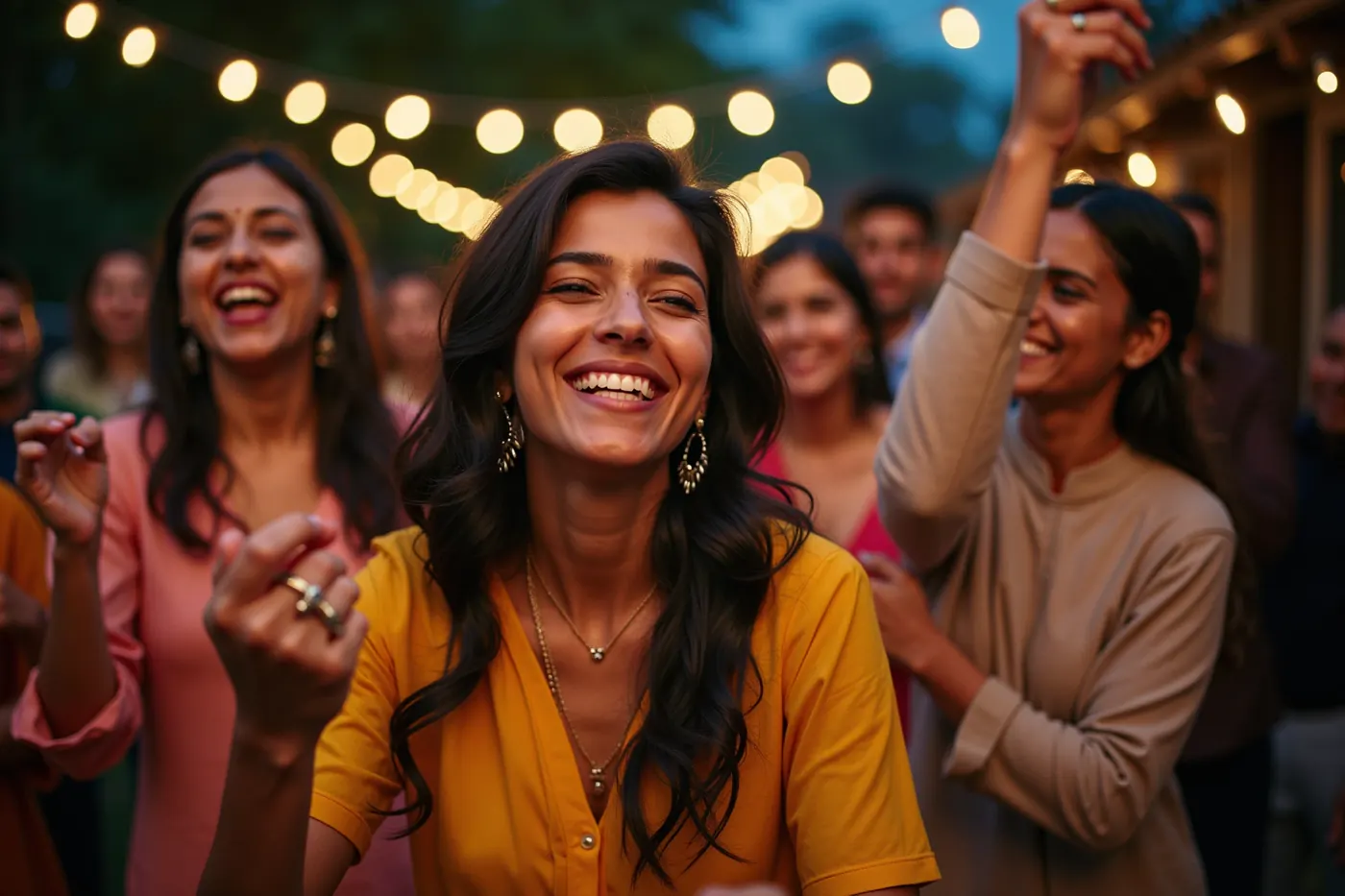
The first hour of dancing, where a reception stops being a receiving line. A drone show is the only part of a wedding every guest watches at the same moment.
Checking availability for your date?
Tell us the date, the city and which functions you want covered. We reply within one business day with availability and what a package for it looks like.
What makes an Indian wedding different to photograph
Scale and duration, mostly. A wedding in much of the world is one day in one venue with a hundred guests. An Indian wedding is commonly four or five functions across three or four days, in two or three venues, with several hundred people, and the emotional centre is often not the ceremony at all.
That changes how coverage has to be staffed. A crew that treats the wedding as the event and the functions as extras will under-cover the haldi and the sangeet, which are frequently the two sets people look at most in the years afterwards.
It also changes the technical problem. Indian functions run through afternoon glare, banquet-hall tungsten, coloured stage wash and outdoor night light, sometimes all inside one day. A photographer set up for one of those and improvising through the others produces a gallery that swings in colour and quality from function to function.
Multiple functions
Four or five events across several days, each with its own character and its own staffing need.
Several venues
Travel between them is part of the plan rather than something absorbed on the day.
Hundreds of guests
Which is what pushes most weddings past two photographers to three.
Four lighting problems in a day
Afternoon sun, hall tungsten, coloured stage wash and outdoor night, often within hours of each other.
Photography, film, or both
Most couples book both, and the honest reason is that they capture different things. Photographs are what get printed, framed and looked at repeatedly. Film is what carries sound: the speeches, the music, the vows, and the noise a room makes when a baraat arrives.
If budget forces one, the answer depends on what you will actually revisit. Families who watch things together tend to get more from a film. Families who print and display tend to get more from photographs. Neither is the right answer generally.
Where film is booked selectively, the sangeet and the wedding are the two functions worth filming. A sangeet is a choreographed performance with music, which stills genuinely cannot convey, and the wedding carries the vows and the speeches.
Photographs
Printed, framed and revisited. The medium that survives changing technology.
Film
Carries sound, which is half of what a wedding actually was.
Separate people
A photographer holding a video camera does neither job properly.
If choosing one function to film
The sangeet, because a choreographed performance with music is a moving-image subject.
How booking works
Send the date, the city and the list of functions you want covered. You hear back within one business day with availability and an outline of what coverage for that shape of wedding involves, including crew size and what would be delivered.
If it looks right, we talk properly, either by call or in person. You meet the lead photographer who would actually shoot your wedding rather than a sales contact, because that is the person you will spend twelve hours with and the fit matters.
A date is held against a signed agreement and a booking amount, not a verbal hold. Until both exist the date stays available to anyone else asking, which is worth knowing if you are comparing quotes across several weeks in peak season.
Send the details
Date, city, functions. That is enough for a real answer rather than a brochure.
Reply in one business day
Availability and an outline of coverage, not a generic package sheet.
Meet the lead
The person who would actually shoot your wedding, named in the agreement.
Signed agreement holds the date
A verbal hold is not a hold. The date stays open until both parties sign.
Written timeline
Delivery dates in the agreement rather than estimated afterwards.
Destination weddings
We travel across India and internationally, and have shot in Thailand, Dubai, the United States, the United Kingdom, Europe, Australia, Singapore and Japan. Destination work is planned differently rather than simply priced higher.
The main differences are lead time and logistics. Equipment has to travel, sometimes with customs declarations. Aerial coverage abroad may require a locally licensed operator regardless of our own certification. Venues in another country need to be assessed remotely, which means asking for photographs and floor plans early.
Travel and accommodation are quoted separately and agreed in writing before booking rather than folded into a package where you cannot see them. That way you can compare a destination quote against a local one honestly.
Across India and abroad
Thailand, Dubai, the United States, the United Kingdom, Europe, Australia, Singapore and Japan.
Longer lead time
Equipment, permissions and sometimes visas, none of which compress well.
Aerial needs local checking
Some countries require a locally licensed operator regardless of certification held here.
Travel quoted separately
Itemised rather than hidden inside a package, so quotes stay comparable.
What we will tell you honestly
That aerial coverage is not worth it at a small wedding in a compact venue, because it shows a small group of people from far away. That a drone show cannot happen at a venue in restricted airspace, whatever the budget. That full-evening coverage of a receiving line produces fewer memorable images per hour than any other part of a wedding.
And that if you have to choose, the haldi and the sangeet are usually worth more than extending reception coverage, even though the reception is the bigger and more expensive event.
None of this makes a booking larger. It is here because the alternative is you finding out afterwards, and a wedding is the one purchase where finding out afterwards is not recoverable.
When aerial is not worth it
Small weddings, compact venues, indoors. We say so rather than selling it.
When a drone show cannot happen
Restricted airspace is a no regardless of budget, and you should know months ahead.
What is commonly over-bought
Full-evening receiving line coverage, which produces the fewest memorable frames per hour.
What is commonly under-booked
Haldi and sangeet, the two most regretted omissions.
Which coverage each function needs
The functions are not interchangeable, and the most common budgeting mistake is treating them as one event with add-ons. This is what each actually demands.
| Function | Typical length | Crew | What makes it hard | Edited images |
|---|---|---|---|---|
| Mehndi | Four to six hours | One or two photographers | Unstructured, changing afternoon light | Two to four hundred |
| Haldi | Forty minutes to two hours | Two photographers | Fast, wet, chaotic, unrepeatable | Two to three hundred |
| Sangeet | Four to six hours | Two plus a cinematographer | Coloured stage wash, audio matters | Three to four hundred plus film |
| Wedding | Ten to twelve hours | Two or three plus cinematographer | Long day, fixed ritual, venue restrictions | Six to nine hundred plus film |
| Reception | Four to six hours | Two photographers | Repetitive receiving line, difficult backdrop | Three to five hundred |
| Pre-wedding | Half or full day | One or two | Weather, permissions, travel | Sixty to two hundred |
Working with the same crew across the whole wedding
Booking one crew across every function is not just simpler to administer. By the third function we know your families, we know which uncle needs to be in the group photographs and which cousin will organise everyone, and we know where the light is at that venue at that hour.
It also means the whole wedding looks like one body of work. Different crews grade differently, expose differently and frame differently, and a gallery assembled from three suppliers reads as three separate weddings even when the events were consecutive.
The practical benefit shows up most on the wedding day itself. A crew who has already shot your mehndi and sangeet is not spending the morning working out who everyone is. They already know, and that time goes into photographs instead.
Continuity of people
By the third function we know your family and they know us, which changes how candid the coverage can be.
One consistent look
Grading, exposure and framing consistent across every function rather than varying by supplier.
No repeated briefing
Nothing has to be explained twice, and the wedding day starts with the crew already oriented.
Simpler accountability
One agreement, one delivery schedule, one team answerable for all of it.
Where we shoot
We shoot across India and travel for destination weddings. Travel and accommodation for out-of-city work is quoted separately and agreed in writing before booking, so it never appears as a surprise line afterwards.
- Mumbai
- Delhi NCR
- Bengaluru
- Hyderabad
- Pune
- Ahmedabad
- Chennai
- Kolkata
- Jaipur
- Udaipur
- Goa
- Surat
Destination weddings shot in:
- Thailand
- Dubai
- United States
- United Kingdom
- Europe
- Australia
- Singapore
- Japan
FAQ
Questions couples ask before booking
If your question is not here, ask it in the enquiry form and a surveyor will answer it.
How do I choose a wedding photographer?
Ask to see one complete wedding rather than a portfolio. A portfolio is the best twenty frames from four years of work and everyone has twenty good frames. A full gallery from a single wedding shows what an ordinary day with them looks like, including the parts that were badly lit and went wrong.
How do I find a good wedding photographer in my city?
Shortlist on complete galleries rather than social feeds, then meet the person who would actually shoot your wedding. In many studios the person you meet is not the person who turns up. Get the lead photographer named in the contract, and ask what happens if they are unavailable on the day.
What does Flying Pixel Studio cover?
Weddings and every function around them, pre-wedding and engagement shoots, maternity and newborn sessions, birthdays and anniversaries, and corporate events. Aerial coverage and drone light shows are flown by DGCA-certified pilots from the same team rather than subcontracted to a third party.
What should we budget for photography and film overall?
Work out what proportion of the total wedding budget you are comfortable committing, then scope the coverage to fit it rather than the other way round. Photography and film are the only parts of a wedding that still exist afterwards. Tell us the range you have in mind and we will say honestly what fits inside it.
When do wedding dates get booked out?
Six to nine months ahead for peak season, which in most of India means November through February, and popular dates go earlier still. Off-season and weekday weddings have far more availability at shorter notice. Ask about your date early even if you are not ready to commit, because holding costs you nothing.
Do you cover all the functions or only the wedding day?
Whichever you book. Most couples cover mehndi, haldi, sangeet, the wedding and the reception, and each is quoted as its own day because that is what it is. Covering only the wedding day is entirely normal, particularly where the other functions are small or family-only.
If we can only cover some functions, which should we choose?
Haldi and sangeet, ahead of extending reception coverage. Haldi is the least formal and most joyful hour of the whole wedding. Sangeet is the only function where your family performs for each other, and it is the one most worth filming. A long receiving line produces the fewest memorable frames per hour.
How many photos will we get?
For a full wedding day, six hundred to nine hundred edited images. For each additional function, two to four hundred. For a pre-wedding shoot, sixty to two hundred depending on half or full day. You receive an edited set rather than every frame the cameras recorded.
How long until we receive everything?
A preview set within a week, and the full edited gallery and album on the date written into your agreement. Films take longer than photographs because the edit is longer. For multi-day weddings, a preview from each function goes out within a few days of it happening rather than after the whole event.
Do you travel for destination weddings?
Yes, across India and internationally. We have shot in Thailand, Dubai, the United States, the United Kingdom, Europe, Australia, Singapore and Japan. Travel and accommodation are quoted separately and agreed in writing before booking, so they never appear as a surprise afterwards.
Should we book photography, film, or both?
Most couples book both, because they capture different things. Photographs get printed and revisited; film carries sound, which is half of what a wedding actually was. If budget forces one, families who watch things together get more from film, and families who print and display get more from photographs.
Can you fly a drone at our wedding?
Where the airspace and the venue both allow it. Those are two separate permissions and both are needed. We check them at quoting stage rather than on the day, so if the answer is no you know before you have paid for it. Our pilots are DGCA-certified.
What is the difference between aerial video and a drone show?
Aerial videography is one camera aircraft filming your wedding, cut into your film. A drone light show is a swarm of lit aircraft performing a choreographed display for guests to watch live. Completely different crews, permissions and budgets, and they are frequently confused when people compare quotes.
Are you the same company as the survey business?
Yes. Flying Pixel has flown survey and mapping work for infrastructure and government projects for fifteen years, and Flying Pixel Studio is the same company covering weddings and events. The aerial capability and the certified pilots come from that side of the business.
Who will actually shoot our wedding?
The lead photographer is named in your agreement rather than assigned later. You meet them before you book. If they cannot attend through illness, a named substitute of equivalent experience attends and you are told as early as we know, which is a term written into the agreement rather than a promise.
How are our photographs backed up?
Every camera records to two memory cards simultaneously, so a card failure loses nothing. Files are copied off and backed up to two separate locations the same night, before anyone sleeps. Card failures are rare and irreversible, which is why the redundancy starts at the moment of capture.
Will you post our photos publicly?
Only with your permission, asked separately rather than buried in the agreement. Some couples are happy to be shown and some want nothing published, and both are normal. If you decline, the images are used nowhere, including in private portfolio shares to other clients.
Can we book photography for one function and film for another?
Yes, and plenty of couples do exactly that. A common split is photography across everything and film for the sangeet and the wedding only, because those are the two where moving image and audio add the most. Tell us what matters to you and we will scope it rather than selling a package.
Can we meet the photographer before booking?
Yes, and you should. You meet the lead photographer who would actually shoot your wedding rather than a sales contact. This is somebody standing beside you for twelve hours on a stressful day, and if the conversation is awkward now it will be considerably worse then. Meetings happen by call or in person.
How do we check if our date is available?
Send the date, the city and the functions you want covered through the contact form or on WhatsApp. You will hear back within one business day with availability and an outline of what coverage for that shape of wedding looks like. Dates are held against a signed agreement rather than a verbal hold.